
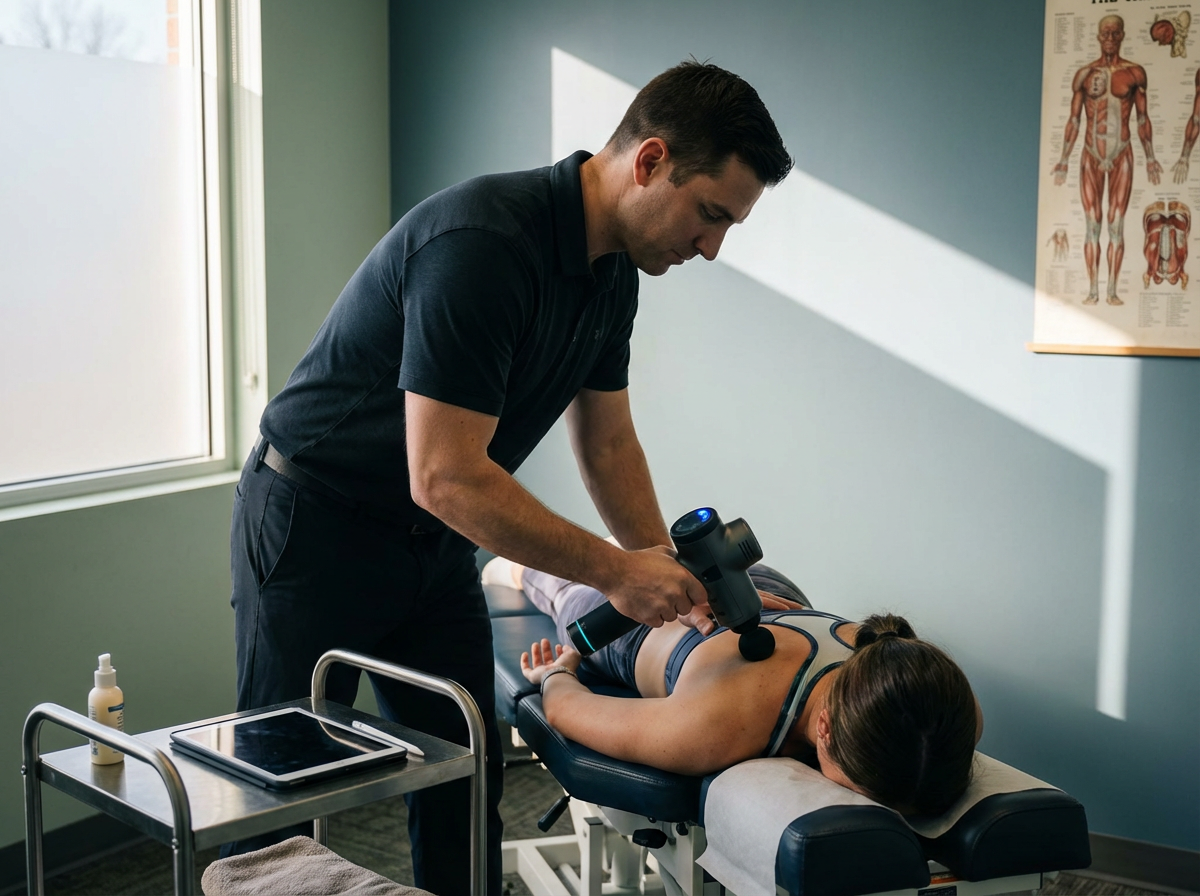
Even a Minor Accident Can Leave a Lasting Impact
The adrenaline fades, the paperwork gets handled, and then the stiffness begins.
If something does not feel right after a collision, it is worth having it properly evaluated so you can better understand what happened and what your next step should be.
“I Felt Fine at the Scene.”
It is one of the most common things we hear from patients after a car accident.
That experience is not unusual. In the hours immediately following a collision, stress and adrenaline can make discomfort less noticeable. Symptoms associated with injuries such as whiplash may begin within the following hours or days rather than immediately at the scene.
You may first notice stiffness when turning your head, tension across your shoulders, headaches, back discomfort, difficulty sleeping, or the feeling that your body simply has not returned to normal.
Even a lower-speed collision can place sudden force through the neck, spine, and surrounding muscles and connective tissues.
Being evaluated does not mean assuming that something is seriously wrong. It means establishing a clearer picture of how your body is responding and whether chiropractic care, medical evaluation, imaging, or another type of care may be appropriate.
Florida Accident Benefits May Have a Time Limit
Under current Florida law, certain Personal Injury Protection benefits generally require initial medical services and care to be received within 14 days of a motor-vehicle accident.
Coverage, eligibility, benefit limits, and the types of services that qualify can vary based on the circumstances of the accident and your insurance policy.
If you have recently been involved in a collision, contact the office as soon as possible. Our team can explain what information we need from you and help you determine the appropriate next step.
What We Commonly See After a Collision
-
Whiplash describes an injury that can occur when the head moves rapidly backward and forward during a collision.
That motion may affect the muscles, ligaments, joints, and other tissues of the neck. Symptoms often begin within days and may include neck pain, stiffness, reduced range of motion, headaches near the base of the skull, shoulder or upper-back discomfort, dizziness, fatigue, or tingling in the arms.
Whiplash is not limited to high-speed crashes. The effect of an accident depends on factors such as the direction of impact, body position, use of restraints, and how the individual responds to the force.
-
Neck pain is one of the most common concerns reported after a collision.
It may feel like general stiffness, tenderness, muscle tension, or discomfort when turning or tilting your head. Some people also experience pain extending toward the shoulders, upper back, or arms.
Because neck pain can have different causes, evaluation should come before any recommendation for care.
-
The force of a collision can affect more than the neck area.
Some patients develop discomfort through the middle or lower back, particularly when the body twists, braces, or moves suddenly against the seat or restraint.
Symptoms may include stiffness, muscle soreness, restricted movement, or pain that becomes more noticeable when sitting, standing, bending, or sleeping.
-
During an accident, people often brace against the steering wheel, floorboard, dashboard, or seat.
That sudden loading may contribute to discomfort in the shoulders, wrists, hips, knees, or other joints. These concerns may not be immediately obvious when neck pain or headaches are more noticeable.
Persistent or worsening joint pain should be evaluated rather than assumed to be normal soreness.
-
Soft tissues include muscles, tendons, ligaments, and related connective tissues.
These structures may be strained or irritated during a collision. Soft-tissue injuries are not always visible on standard X-rays, which are primarily used to evaluate bones and certain joint changes.
A normal X-ray does not automatically explain every symptom. Physical examination, health history, neurological screening, and other forms of evaluation may still be appropriate depending on the situation.
Symptoms May Appear in the Hours or Days After an Accident
Following a collision, pay attention to changes such as:
Neck stiffness or reduced range of motion
Headaches, particularly near the base of the skull
Pain or tension between the shoulder blades
Middle or lower back discomfort
Dizziness, balance problems, or a sense of fogginess
Difficulty sleeping or finding a comfortable position
Tingling or numbness in the arms or hands
Unusual fatigue
Irritability, memory changes, or difficulty concentrating
Symptoms that become more noticeable with movement or activity
Do not dismiss a symptom simply because it did not begin immediately.
Some symptoms associated with whiplash or concussion may not appear or become noticeable until hours or days after the event.
Dizziness, confusion, memory difficulty, worsening headache, visual changes, or unusual drowsiness may also indicate a head injury and should be medically evaluated.

Recovery Is a Process, and You Should Understand Each Step
No two accidents affect the body in exactly the same way.
Our process begins by understanding the collision, evaluating how your body is functioning, and determining whether chiropractic care is appropriate for your current stage of recovery.
STEP 1 WE LISTEN
We ask about the accident itself, including the direction of impact, where you were sitting, whether you anticipated the collision, whether airbags deployed, and what symptoms you have noticed since.
We will also discuss any emergency-room visits, urgent-care evaluations, imaging, previous injuries, and changes in your daily activities.
STEP 2 WE EVALUATE
Dr. Rhett evaluates relevant joint movement, muscular tension, range of motion, neurological signs, and movement patterns.
The evaluation is adapted to your symptoms and comfort level.
If your presentation suggests that imaging, emergency care, medical evaluation, or referral to another provider is needed, we will explain that before proceeding.
STEP 3 WE EDUCATE
You will receive a clear explanation of what we found, what those findings may mean, and whether chiropractic care appears appropriate.
We will also discuss realistic expectations, factors that may affect recovery, and signs that would require additional evaluation.
STEP 4 WE BUILD A PLAN TOGETHER
When appropriate, care may include chiropractic adjustments, soft-tissue techniques, guided mobility work, home recommendations, and gradual activity guidance.
The techniques selected will depend on your evaluation, symptoms, tolerance, and stage of recovery.
We also maintain records of your visits, findings, recommendations, and progress as part of your clinical care.

Your Goals Give the Visit Its Direction
If you are visiting without a specific complaint, your appointment will focus on your health history, lifestyle, movement, and reasons for scheduling.
We may discuss:
Your work and typical daily routine
The activities you currently enjoy
Activities you would like to begin or return to
Previous injuries, surgeries, or health conditions
Areas that feel less mobile or comfortable than they once did
Your current exercise and recovery habits
Your goals for the coming year
Dr. Rhett will then complete an evaluation appropriate for your history and goals.
Afterward, he will clearly explain the findings and whether any recommendation is warranted.
You may leave with a treatment recommendation, exercises or lifestyle guidance, a referral to another provider, or reassurance that no chiropractic care is currently needed.
There is no obligation to commit to an ongoing plan simply because you scheduled an evaluation.
What We Will—and Will Not—Promise
We will not tell you that you need care simply because you walked through our doors.
We will not claim that chiropractic care can prevent every injury, reverse aging, boost immunity, prevent disease, or guarantee athletic performance.
We will not create a long-term schedule without explaining its purpose.
We will not use fear, unexplained imaging, or normal differences between people to convince you that something is wrong.
What we will do is listen, evaluate you carefully, explain what we find, stay within our scope, and give you an honest recommendation.
If you are moving well and already doing the right things, we will tell you.
If exercise, medical care, physical therapy, or another service would be more appropriate, we will tell you that too.
Transparency is part of care—even when the honest recommendation is less care.
-
No.
You may schedule an evaluation to discuss mobility, recurring tension, activity goals, previous injuries, or concerns about how your body is moving.
Scheduling without pain does not mean that treatment will automatically be recommended. The evaluation determines whether there is a meaningful concern within our scope and whether care may be useful.
-
That depends on your evaluation, goals, health history, activity level, and whether a specific concern is identified.
Some patients may receive care for a defined issue. Some may choose occasional reassessment when there is a clear goal or reason. Others may not need chiropractic treatment at all.
Dr. Rhett will explain his recommendation, and you decide whether it is right for you.
-
Coverage varies significantly by plan and often depends on whether the insurer considers the service medically necessary.
Contact the office and your insurance provider before beginning care if coverage will influence your decision.
-
The primary difference is the starting point.
When pain or another symptom is present, the evaluation focuses on understanding that complaint, screening for concerns that may require referral, and determining whether chiropractic care is appropriate.
A proactive visit begins with a goal, question, recurring pattern, or desire to establish a baseline.
The same standards still apply: care should have a clear purpose, be based on the evaluation, and remain within the provider’s scope.
-
Chiropractic care cannot guarantee injury prevention.
An evaluation may identify a relevant mobility limitation, recurring symptom, or activity concern worth addressing. However, injury risk is affected by many factors and cannot be eliminated through adjustments or any other single intervention.
Strength, conditioning, appropriate training progression, technique, recovery, equipment, and the demands of the activity all matter.
-
No.
Vital Roots does not require every patient to follow the same ongoing schedule.
Any recommendation should have a clear purpose connected to your evaluation and goals. You should understand why care is being recommended, how progress will be assessed, and when the plan will be reconsidered.
Continued care is your decision.
-
No.
There is no single treatment schedule that every person needs.
Some people seek chiropractic care for an appropriate musculoskeletal complaint. Others may benefit more from exercise, physical therapy, medical treatment, or changes to their daily habits. Some people may not need treatment at all.
Our responsibility is to recommend what appears appropriate for you—not what we recommend to everyone else.
-
Healthy movement habits matter at every age.
That does not mean you need chiropractic treatment simply because you want to remain healthy.
Regular physical activity, strength training, sufficient sleep, balanced nutrition, and appropriate preventive healthcare are more important than maintaining an arbitrary treatment schedule.
An evaluation may still be useful if you have a specific mobility concern, recurring pattern, previous injury, or activity goal you would like to discuss.
-
We will tell you.
You may receive reassurance, recommendations for maintaining your current habits, or information about what signs to pay attention to in the future.
An evaluation can still be useful without producing a diagnosis or treatment plan.
-
No.
Chiropractic care cannot replace the benefits of regular physical activity, strength training, cardiovascular exercise, balance work, and appropriate mobility practice.
When care is appropriate, its purpose is to complement an active approach to health—not replace it.

Feeling Better Is Not the Finish Line. It Is the Beginning.
Let’s establish where you currently stand, discuss what you want to remain capable of doing, and determine whether there is a meaningful next step.
No fear. No pressure. Just an honest evaluation and a plan that makes sense for your life.